The Secret to a Healthy Home: Interior Design Tips You Need to Know
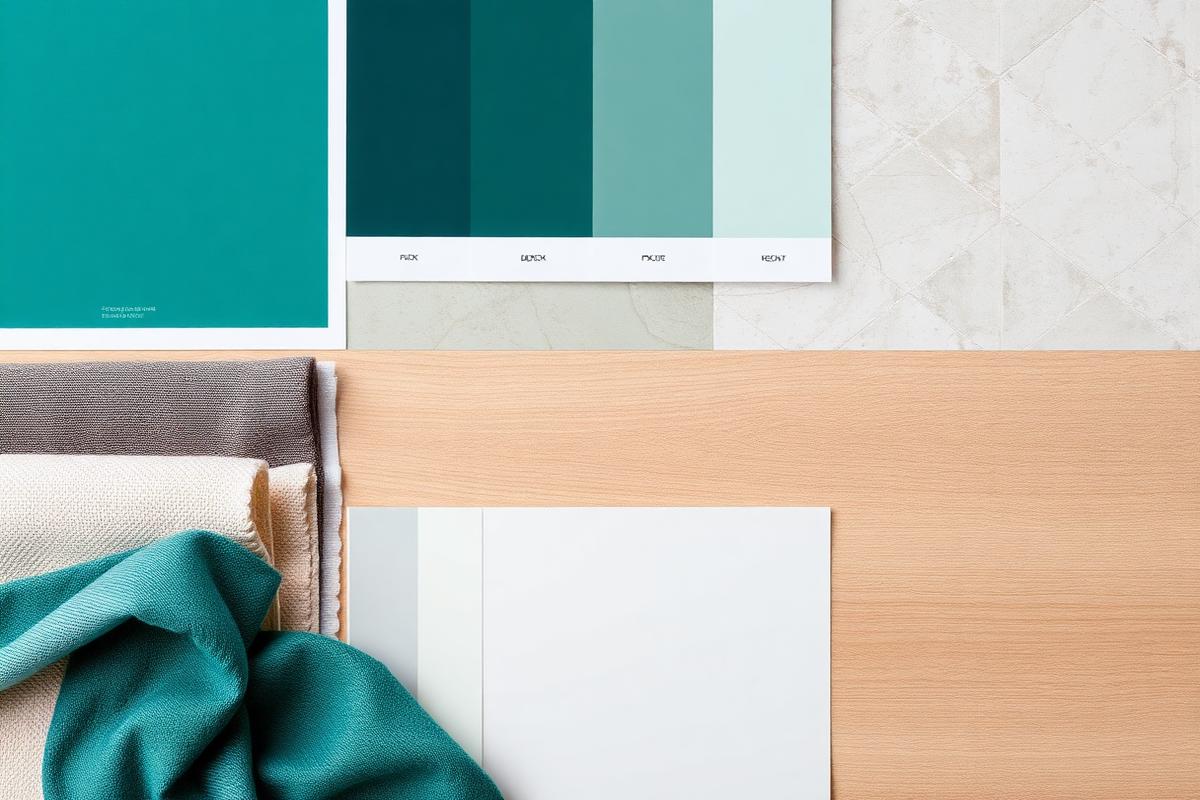
Choose Natural Materials
You're probably familiar with the benefits of natural materials, but did you know they can make your home healthier? Natural materials are more likely to be free from harmful chemicals and toxins, helping reduce the risk of health concerns such as asthma and allergies.
Natural materials are also environmentally friendly because they require less energy to produce than many synthetic alternatives. Some, such as bamboo, even help absorb carbon dioxide throughout their lifecycle, making them a more sustainable choice.
When selecting natural materials for your home, consider how each one absorbs and reflects heat and light. This will influence the comfort and ambience of your interiors throughout the changing seasons.
Invest in Air Quality
Indoor air quality plays a vital role in maintaining a healthy home. Breathing clean air improves overall well-being, and there are several ways to enhance the quality of your indoor environment.
Start by identifying common household pollutants and taking steps to minimize them. These include:
- Mould spores from damp areas such as bathrooms.
- Dust mites commonly found in bedding and upholstery.
- Carpet fibres and accumulated dust from flooring.
Good ventilation, regular cleaning, humidity control, and choosing healthier materials all contribute to cleaner indoor air.
Incorporate Houseplants
Houseplants are an excellent way to introduce colour, texture, and life into your home. Besides enhancing aesthetics, they can help purify the air, reduce stress, and create a more relaxing atmosphere.
When selecting indoor plants, keep the following points in mind:
- Choose plants with similar light requirements so they thrive together.
- Combine a variety of textures and shapes to create visual interest.
- Pair tall plants with compact varieties to achieve a balanced composition.
- Mix leafy plants with herbs or trailing vines for a rich, layered look.
Choose Non-Toxic Paints
Non-toxic and low-VOC paints help maintain healthier indoor air by reducing the release of harmful chemicals. They also minimise unpleasant odours and create safer living environments, especially in bedrooms and children's rooms.
Many leading paint manufacturers now offer eco-friendly, low-VOC paint collections in a wide range of colours suitable for every interior style.
Choose Low-VOC Furnishings
Low-VOC furniture is manufactured using materials that emit significantly fewer harmful chemicals, making your home healthier for your family.
These furnishings are often more energy-efficient to manufacture and contribute to improved indoor comfort while supporting sustainable living.
Install Energy-Efficient Appliances
Energy-efficient appliances reduce electricity consumption, lower utility bills, and minimise environmental impact. Look for products with recognised energy ratings, such as ENERGY STAR certification, to maximise long-term savings.
Smart lighting, LED fixtures, and under-cabinet lighting can further improve energy efficiency while enhancing both functionality and ambience.
Choose Sustainable Flooring
Sustainable flooring is an investment in both your home's health and the environment. Materials such as cork, bamboo, reclaimed wood, and linoleum offer durability while reducing environmental impact.
- Choose flooring made from recycled or renewable materials.
- Select finishes that are low in VOC emissions.
- Prioritise long-lasting materials to reduce future waste.
Incorporate Natural Lighting
Natural light is one of the most important elements of a healthy interior. It enhances mood, improves productivity, and creates a brighter, more welcoming living environment.
Maximise natural daylight by:
- Installing large windows or skylights wherever possible.
- Using light-coloured walls and ceilings to reflect daylight.
- Adding dimmable lighting for comfortable evening illumination.
Conclusion
Creating a healthy home extends far beyond selecting beautiful furniture. Every design decision—from materials and finishes to lighting, ventilation, and greenery—contributes to your family's comfort and well-being.
Begin by creating a calming, welcoming environment, introduce natural materials and indoor plants, and complement your interiors with healthier lifestyle choices. Together, these thoughtful decisions help create a home that is not only beautiful but also restorative, sustainable, and built for everyday living.